African Safari Tours Serengeti: Mastering Migration Timing & Tracking Systems
July 6, 2026You are planning the trip of a lifetime to the Serengeti, but a critical decision stands in your way. Should you book a luxury permanent lodge, or opt for a mobile migration camp that follows the wildlife?
Choose incorrectly, and you might spend up to four agonizing hours every single day bouncing over corrugated dirt tracks just to reach the herds. That is half your morning game drive wasted eating dust instead of photographing the Great Migration.
We have spent years navigating the African bush, optimizing itineraries for tanzania safari packages so our clients spend less time commuting and more time experiencing the wild. Below is the definitive breakdown comparing mobile migration camps vs. permanent lodges. We will analyze the trade-offs between luxury infrastructure and raw proximity, backed by real-world drive times, to help you make the right call.
The Core Difference: Agility vs. Infrastructure
Before looking at drive times, you need to understand exactly what you are choosing between. Both options offer spectacular ways to experience tanzania safaris & tours, but they cater to vastly different travel styles.
Mobile Migration Camps
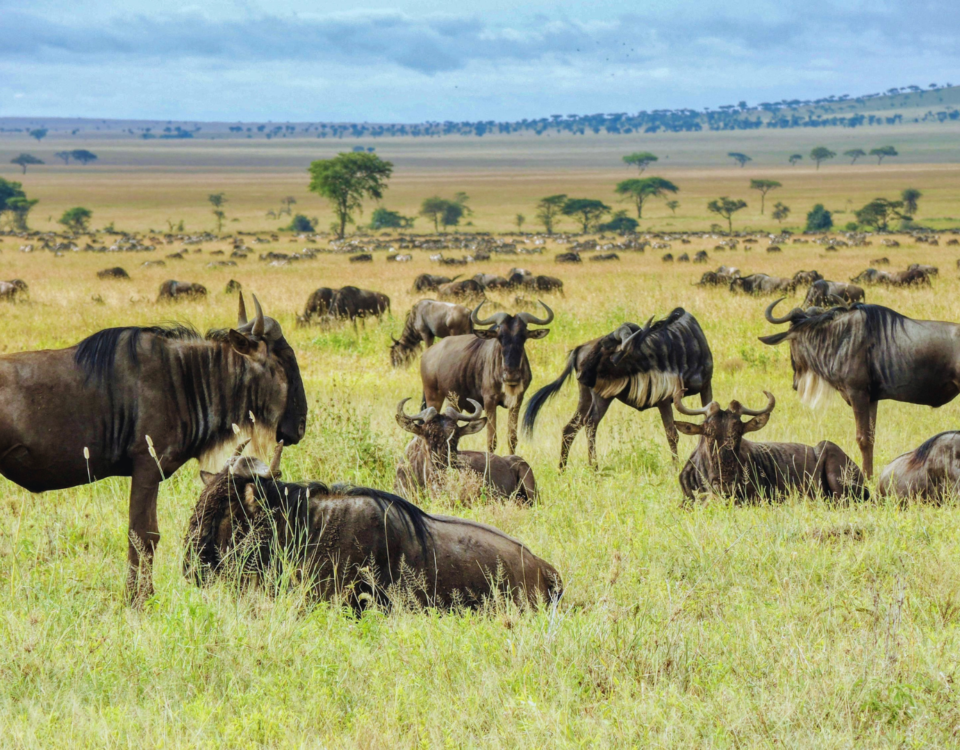
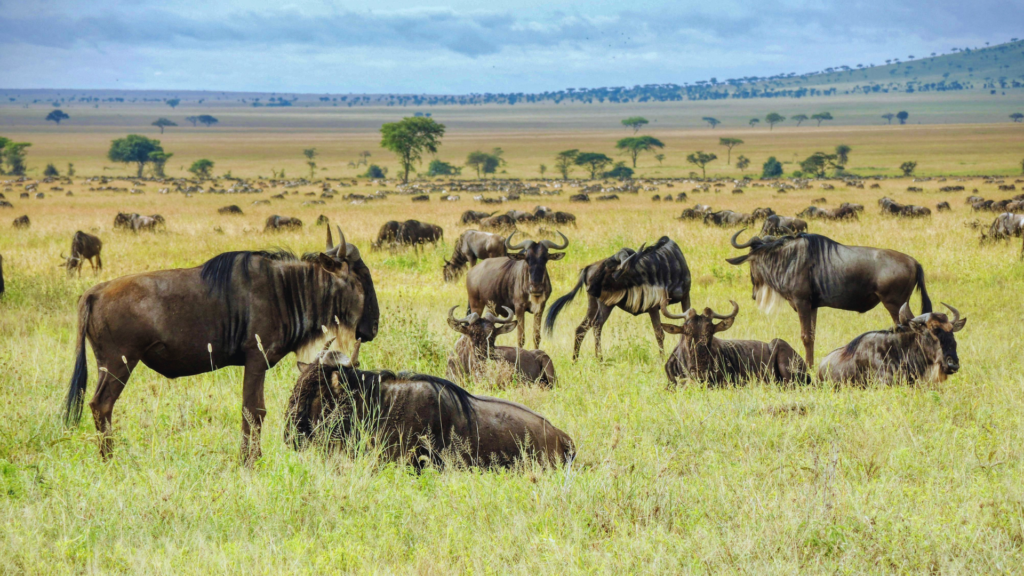
These are highly comfortable, semi-permanent tented camps that move two to three times a year. Their entire purpose is to track the Great Migration. When the wildebeest are calving in Ndutu (South Serengeti) during February, the camp is there. When the herds cross the Mara River in August, the camp is packed up and relocated to the Northern Serengeti.
What to expect:
- Canvas tents with comfortable beds and en-suite bathrooms.
- Bucket showers (hot water delivered on request).
- Immersive nature, you hear lions roaring and wildebeest grunting right outside your tent.
- Solar power and limited Wi-Fi.
Permanent Lodges
Built from stone, wood, and thatch, permanent lodges remain in one fixed location year-round. They offer the kind of heavy infrastructure that simply cannot be moved.
What to expect:
- Climate-controlled rooms, glass windows, and solid walls.
- Plumbed, high-pressure hot showers and flushing toilets.
- Resort-level amenities like infinity pools, spas, and fitness centers.
- Consistent 24/7 electricity and high-speed internet.
The Time-Motion Study: Hours Saved in the Bush
The single biggest factor when choosing between these accommodations is travel time. When mapping out african safari tours tanzania, tourists often underestimate the sheer size of the Serengeti. It is larger than the state of Connecticut.
If you stay in a stunning permanent lodge in the Central Serengeti during August, you are geographically stranded from the main migration event happening in the North.
Here is a time-motion breakdown illustrating the daily hours saved by staying in a mobile camp strategically positioned near the herds, versus a misaligned permanent lodge:
The Verdict on Time: By utilizing a mobile camp, you buy back up to five hours of your day. You can enjoy a leisurely hot breakfast, catch the predators during the golden hour, and return to camp for a midday nap before heading out again.
Balancing Comfort and Proximity
So, if mobile camps save so much time, why do permanent lodges exist? Because not everyone prioritizes maximizing wildlife viewing over personal comfort.
When to Choose a Permanent Lodge
If your micro-intent is leaning toward a relaxing holiday rather than an intensive wildlife expedition, permanent lodges shine.
- Multigenerational Families: Grandparents and young children often need the stability of paved walkways, pools, and solid walls.
- Off-Season Travelers: If you are traveling outside the peak migration months, the herds are dispersed. A central permanent lodge offers great resident game viewing without the need to chase the masses.
- Luxury Seekers: If a safari is your honeymoon and a spa day is non-negotiable, you need a lodge.
When to Choose a Mobile Camp
If you are flying halfway across the world specifically to witness a river crossing or the calving season, proximity is everything.
- Serious Photographers: You need to be the first vehicle out at dawn and the last one back at dusk.
- Authenticity Chasers: You want the classic, Hemingway-style safari experience of sleeping under canvas.
- Action-Oriented Travelers: You mind a bucket shower much less than you mind a two-hour bumpy car ride.
The Hybrid Approach: Mixing Your Safari
You do not have to lock yourself into just one style. The most strategic itineraries combine both. Start with two nights at a luxury permanent lodge to recover from jet lag, enjoy a spa treatment, and get a taste of the resident wildlife. Then, fly into the deep bush for three nights at a mobile migration camp to embed yourself directly into the heart of the Great Migration.
Frequently Asked Questions
Are mobile migration camps safe from wild animals? Yes. While animals can and do walk through the camps, you are completely safe inside your tent. Camp staff (askaris) patrol the grounds at night and will escort you between your tent and the main dining area after dark.
Do mobile camps have running water? They feature a unique plumbing system. You have flushing or eco-toilets, but showers are usually “bucket showers.” When you want to wash, you notify the staff, and they hoist 20 liters of perfectly heated water into a canvas bag outside your tent, which feeds into a standard showerhead inside.
Are permanent lodges better for shorter 1-2 day safaris? Generally, yes. If you are doing a short safari, you likely won’t have the time to reach the remote corners of the park where mobile camps might be stationed. Permanent lodges near airstrips or park gates offer rapid deployment for quick trips.