African Safari Tours Serengeti: Exact Migration Timing & Tracking Systems
July 3, 2026
Tanzania Safari Packages: Mobile Camps vs Permanent Lodges
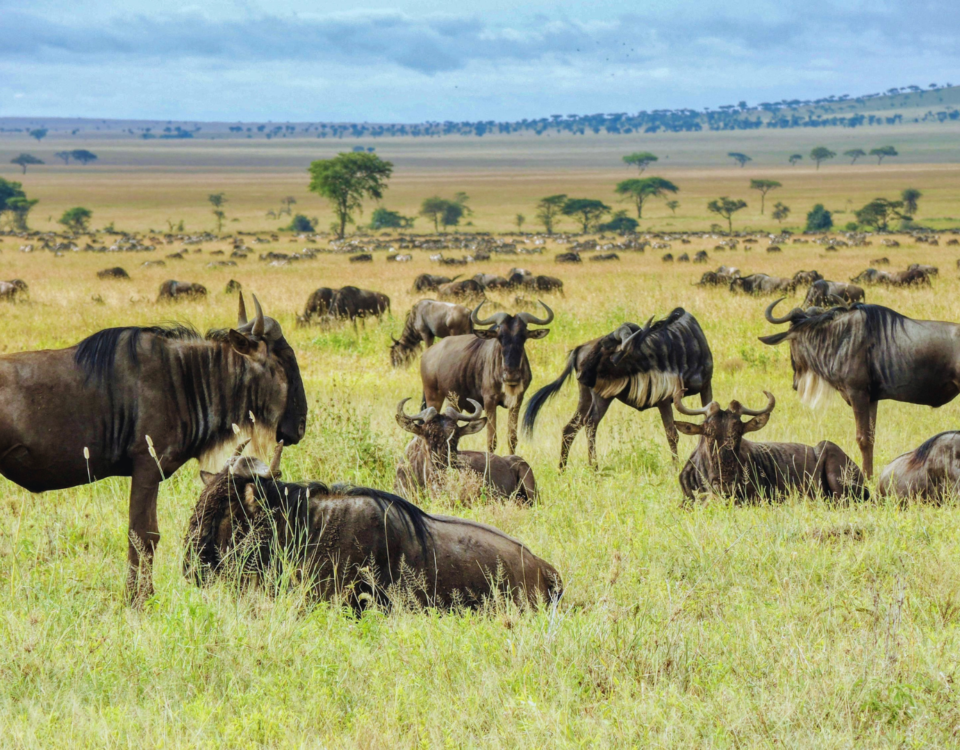
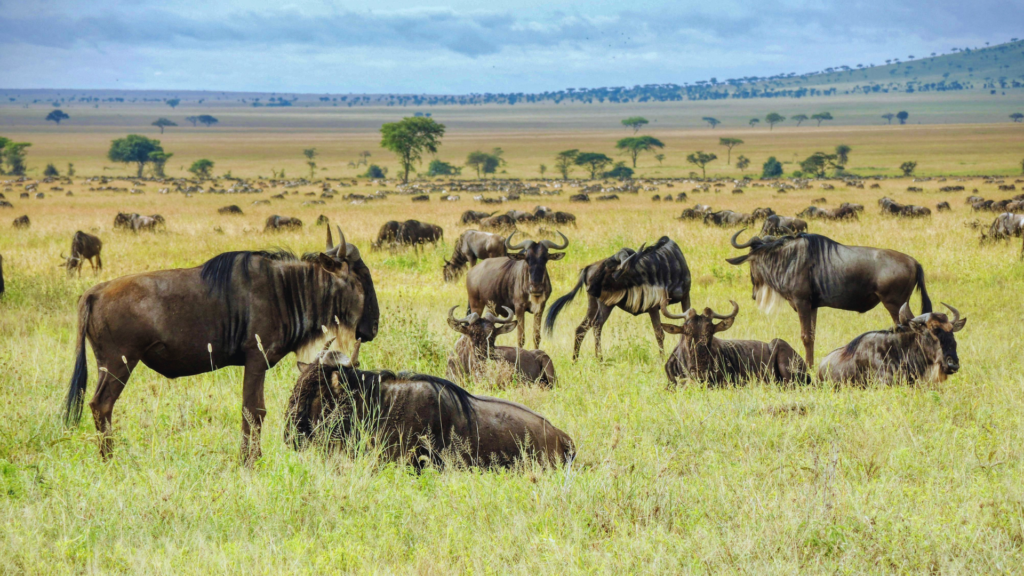
July 8, 2026A million wildebeest plunge into the treacherous waters of the Mara River, thick dust choking the air as massive crocodiles wait in the shallows. You have traveled thousands of miles for this exact moment. But instead of hearing the raw, primal sounds of nature, you hear the drone of idling diesel engines and the frustrated chatter from fifty other tourist vehicles jockeying for position and ruining your line of sight.
You want the unfiltered majesty of a river crossing. You want to capture that National Geographic-level photograph, just you, your guide, and the thunder of hooves, without the vehicle congestion that plagues peak season bottlenecks.
Securing that exclusive, front-row seat doesn’t happen by accident. It requires abandoning outdated guidebooks and leveraging real-time tracking data, localized guide networks, and a willingness to bypass the main tourist traps. This guide reveals the precise timing strategies, technological tracking systems, and alternative crossing points you need to secure the ultimate, uncrowded wildlife experience during your african safari tours serengeti.
The Illusion of “Exact” Timing: Reading the Rains
Many tour operators sell the Great Wildebeest Migration as a scheduled event with a definitive start and end date. It is not. The migration is a perpetual, roughly circular 1,800-mile journey driven entirely by shifting rainfall patterns and the scent of fresh phosphorus-rich grasses.
If you want to position yourself for the dramatic northern river crossings, betting on a specific calendar week is a mistake. The herds do not carry watches. While July through October marks the broad window for the northern Serengeti, micro-movements dictate the daily reality.
Month-by-Month Migration Movement (A Reality Check)
- Late June to Early July: The vanguard herds push through the Western Corridor, navigating the Grumeti River. This is a phenomenal time for early action with a fraction of the high-season crowds.
- Late July to August: The massive columns reach the Northern Serengeti (Kogatende region). Chaos ensues as they encounter the Mara River. This is peak season, bringing peak vehicle density.
- September to October: The herds fracture. Some remain in the northern Serengeti, moving back and forth across the Mara River multiple times. Others graze inside the Masai Mara. Late September often provides spectacular, isolated crossings as the initial tourist rush dies down.
- November: Short rains trigger the rapid journey south toward the calving grounds in Ndutu, shifting the focus entirely away from the river banks.
Bypassing the Bottlenecks: Alternative River Crossing Points
To avoid the fifty-vehicle pileups, you must understand where the masses go, and do the exact opposite. Most mainstream operators default to the most accessible crossing points near major mobile camps. We prioritize isolated positioning.
The Heatmap: Main Hubs vs. Tactical Alternatives
The Mara River has several distinct crossing zones. Positioning yourself near lesser-known tributaries or challenging riverbanks drastically reduces your competition for viewing space.
| Crossing Zone | Visual Drama & Terrain | Expected Vehicle Congestion | Strategic Positioning Tactic |
| Crossing Point 5 (Main Mara River) | Moderate. Lower banks make for easier animal descents, leading to highly reliable but less dramatic crossings. | Severe. This is the primary bottleneck. Expect massive crowds during August. | Avoid mid-morning. Arrive before sunrise, or wait out the lunch rush when standard tours head back to camp. |
| Lookout Hill (Mara Triangle) | Extremely High. Steep, rocky drops create a natural amphitheatre of intense survival action. | High. Highly sought-after by photographers. | Focus your efforts on the Serengeti side (Kogatende) before the herds push fully into the Kenyan reserve. |
| The Sand River (Tanzania/Kenya Border) | Moderate. Shallower and wider than the Mara, with fewer massive crocodiles. | Low to Minimal. Most drivers ignore this tributary, rushing straight to the main Mara River. | Target late July. The vanguard herds must cross the Sand River to enter the Mara ecosystem. It offers vast, sweeping photographic angles with zero background vehicles. |
| Grumeti River (Western Corridor) | High. Narrower channels, massive Nile crocodiles, heavy forest cover. | Moderate. Far fewer camps operate here compared to the northern sectors. | Book for late June. You capture the raw intensity of a river crossing before the peak season tourism surge hits the north. |
The Tech Advantage: Real-Time Serengeti Tracking Systems
You cannot outguess millions of wildebeest relying solely on luck. Elite tanzania safari tours utilize a layered intelligence approach to track the herds daily, ensuring you are exactly where you need to be before the action erupts.
Predictive AI Mapping and GPS Collars
Gone are the days of driving blindly for hours hoping to spot dust on the horizon. We utilize advanced, crowd-sourced web applications like HerdTracker, which aggregates daily coordinates from bush pilots flying over the Serengeti, park rangers, and localized camp managers.
Recent advancements have integrated AI models, like the DBSCAN clustering algorithm, which process a decade of historical movement data against real-time weather patterns to predict where the herds will bottleneck next. Furthermore, conservation projects continuously monitor GPS-collared wildebeest, providing vital data on the speed and trajectory of the mega-herd’s movement.
The Power of the VHF Radio Network
Technology fails when the cell signal drops, which happens frequently in the remote Kogatende sector. This is where veteran guide collaboration becomes your greatest asset.
Our guides operate on closed-channel VHF radio networks. When a scout vehicle spots the tell-tale “build-up”, thousands of wildebeest milling nervously on the riverbank, they transmit exact coordinates. Because we position our specialized vehicles strategically away from the main clusters, we can navigate cross-country to intercept the crossing just as the first animal takes the leap, well before the mainstream convoy arrives.
Strategic Positioning for Uncrowded River Crossings
Executing the perfect river crossing experience on african safari tours tanzania comes down to micro-positioning and aggressive patience.
- Timing the Micro-Moments: Most camps run on a rigid schedule: breakfast at 7:00 AM, out by 8:00 AM, back for lunch at 1:00 PM. We break the schedule. Pack a boxed breakfast and lunch. Arrive at the riverbanks at 6:00 AM to secure the prime photographic angle. When the standard tours leave for their mid-day meals, the riverbanks empty out. The wildebeest, oblivious to human lunch hours, frequently cross at high noon.
- The South Bank Advantage: When targeting the Kogatende area, positioning your vehicle on the departure bank (where the animals are jumping from) often yields better, uncrowded photography than the arrival bank, which is heavily populated by vehicles waiting for the herds to emerge.
- Reading the Herd’s Anxiety: Wildebeest suffer from massive collective indecision. They will gather by the thousands, stare at the water, and suddenly panic and run away due to a shifting shadow or a snapping twig. Do not chase every false start. Pick a secluded bend in the river with a high concentration of animals and wait. Patience always out-competes frantic driving.
Frequently Asked Questions (FAQ)
What is the most accurate app for tracking the Serengeti Migration?
HerdTracker remains the industry standard for real-time, crowd-sourced migration updates. It aggregates daily sightings from pilots, guides, and rangers into an interactive map. Research apps like the Serengeti Tracker (operated by Glasgow University) also provide excellent historical data based on radio-collared animals.
How many days should I spend in the Northern Serengeti to guarantee a river crossing?
Nature offers no guarantees, but spending a minimum of three to four full days in the Kogatende region (Northern Serengeti) during August or September drastically increases your odds of witnessing a major Mara River crossing.
Are the crowds really that bad during the Great Migration?
At the primary crossing points on the Mara River during August, yes. It is common to see dozens of vehicles lined up along the banks. However, by utilizing specialized guides who target alternative zones like the Sand River, or by traveling during the shoulder weeks of late June or late September, you can experience the migration in near isolation.