Tanzania safaris & tours: Navigating Off-Grid Luxury Power & Wi-Fi
June 29, 2026
African Safari Tours Serengeti: Exact Migration Timing & Tracking Systems
July 3, 2026You are finalizing your packing list, dreaming of the Great Migration across the Serengeti. But your severe peanut allergy, or perhaps a strict vegan diet, keeps pulling you back to a harsh reality.
You picture yourself 100 miles from the nearest hospital, staring down a buffet of unknown ingredients in the middle of nowhere. The anxiety is completely valid. When you are entirely off the grid, cross-contamination isn’t just a minor inconvenience. It is a potential crisis.
Here is the truth. Top-tier operations leading African safaris in Tanzania treat dietary restrictions with clinical precision. We don’t guess. We don’t just “make do” with a side salad. We operate sophisticated cold-chain logistics and employ specialized bush chefs to ensure your safety and culinary delight.
At Tanzaniasafaristours.com, our goal is anxiety resolution. Whether you are on a grueling mountain hiking tour or relaxing on a boat cruise safari, your plate will be safe, spectacular, and specifically yours.
The Unseen Machinery: Cold-Chain Logistics in the Wild
People often imagine bush cooking as a guy with a frying pan over an open fire. While we do host incredible campfire bush dinners, the reality of a modern luxury african safari Tanzania operation is highly engineered.
Sourcing fresh, allergy-safe ingredients and keeping them pristine across the African savanna requires a flawless supply chain.
- Dedicated Sourcing Hubs: Our ingredients originate in major hubs like Arusha or Dar es Salaam. We partner with vetted suppliers who understand the critical difference between “gluten-friendly” and “celiac-safe.”
- Sealed Transport: Allergy-specific items are vacuum-sealed at the source. They travel in dedicated, color-coded coolers aboard our 4×4 Land Cruisers or via small bush planes to remote airstrips.
- Solar-Powered Grids: Once in the deep bush, camps utilize heavy-duty, solar-powered chest freezers and refrigerators. The temperature is monitored constantly. If the power drops, backup generators kick in instantly to prevent spoilage.
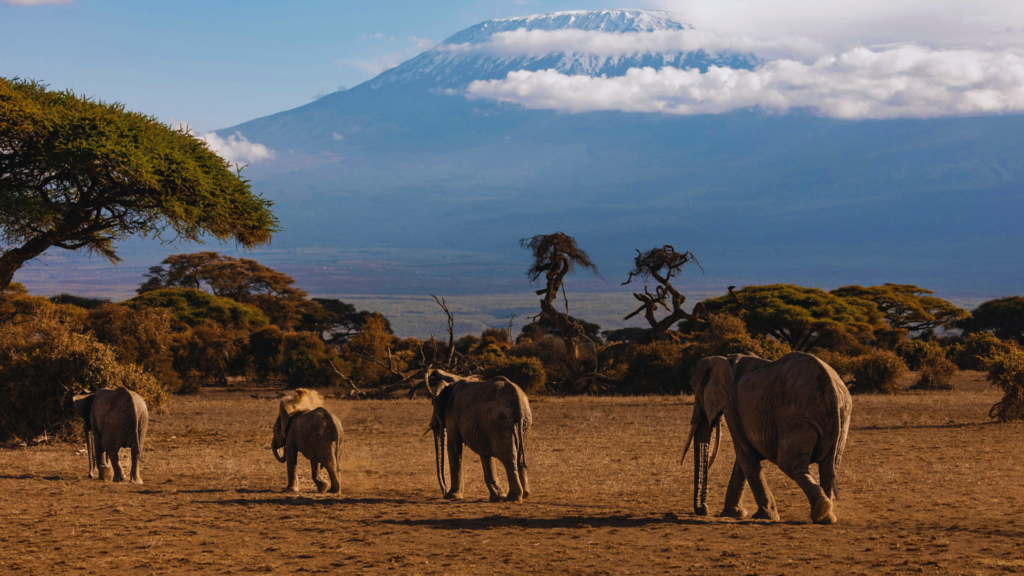
This robust cold chain is what allows a guest to enjoy a perfectly crisp, nut-free, vegan pastry while watching elephants drink from the Tarangire River.
Managing Severe Allergies 100 Miles from a City
Handling dietary accommodations in the deep bush comes down to obsessive kitchen protocols. A five-star bush chef is trained to treat a severe allergy like a hazardous materials protocol.
Here is exactly how camp kitchens prevent cross-contamination:
- Separate Prep Zones: We establish isolated workstations specifically for allergy-sensitive prep.
- Sanitized Equipment: Pots, pans, and utensils used for your meals never touch the general buffet line. Many camps use distinct, color-coded cookware for severe allergies.
- Plated Service Over Buffets: If you have an anaphylactic trigger, buffets are off-limits. Your meals are plated directly in the kitchen, covered, and handed directly to you by a designated server.
Emergency Evacuation Protocols
Prevention is our primary weapon, but preparedness is our safety net. Every high-end safari in Tanzania africa is backed by emergency medical services. Camps are equipped with first-aid trauma kits, and guides know exactly how to establish radio contact with the Flying Doctors (AMREF). In the rare event of a medical emergency, a bush plane can be dispatched to the nearest airstrip for an immediate evacuation to a modern hospital in Nairobi or Arusha.
Translating Diets to the Savanna
Different diets require completely different logistical approaches. Here is how we break down the most common requests.
| Dietary Requirement | Camp Preparation Strategy | Logistics & Guest Action Needed |
| Celiac / Severe Gluten | Dedicated gluten-free cookware; substitute flours (cassava, almond) sourced from Arusha. No shared frying oil. | Notify us 60 days prior. Bring backup preferred snacks just in case. |
| Severe Nut Allergies | Complete isolation of trigger ingredients. Some camps operate entirely nut-free weeks when requested in advance. | Strict requirement: Carry your own dual EpiPens on your person at all times. |
| Strict Vegan | Plant-based proteins transported via cold chain. Chefs utilize rich local produce, lentils, and legumes for high-energy hiking days. | Specify if you avoid honey or cross-contact with shared grills. |
| Kosher / Halal | Sourcing certified meats from major cities; completely separate cooking utensils and refrigeration space. | Requires significant lead time (90 days). Supplemental surcharge may apply for certified transport. |
Securing Your Plate: The Tanzaniasafaristours.com Process
You shouldn’t spend a single minute of your wildlife safari worrying about your next meal. To guarantee your safety, we utilize a strict pre-arrival vetting process.
Step 1: The Booking Declaration
When you lock in your itinerary, you will fill out a detailed medical and dietary dossier. Do not downplay your allergy. If a stray sesame seed will ruin your week, we need to know.
Step 2: The Briefing
Before you even leave Arusha, our base operations team double-checks your profile against the manifest of every camp, lodge, and mobile tent on your route.
Step 3: The Chef’s Handshake
Upon arrival at your destination, whether it is a luxury lodge in the Ngorongoro Crater or a fly-camp in Ruaha, the head chef will greet you personally. They will run through your restrictions, confirm they have your safe ingredients stocked, and establish a daily check-in routine.
You go watch the lions. We’ll watch the kitchen.
Frequently Asked Questions (FAQ)
How far in advance should I notify the camp of my severe allergies?
At a minimum, we require 60 days’ notice. For highly specialized diets (like strict Kosher or complex multi-allergies), 90 days is heavily recommended. This gives us time to source ingredients, verify suppliers, and arrange secure bush-plane transport for your specific food.
Can you accommodate celiac disease on a remote walking safari?
Yes. Mobile camps and walking safaris have tighter weight restrictions for gear, but dietary safety never takes a back seat. We transport sealed, gluten-free staples and use separate fire-grates for cooking your meals.
Are EpiPens and medical help available in the deep bush?
While premium camps carry extensive trauma kits, you must bring your own prescribed EpiPens (bring backups and keep them in different bags). All of our guides are wilderness first-aid certified, and we maintain immediate radio contact with emergency medical air evacuation services 24/7.