Signature Kenya Safari Tours 2026: Beyond the Ordinary Wilderness Experience
February 10, 2026
Ngorongoro Crater Safari Tanzania: Exploring the “Eden of Africa”
February 14, 2026When planning a journey to the cradle of humanity, the choices can feel as vast as the savannah itself. Most travelers find themselves at a crossroads: do they follow the legendary herds of the Serengeti or seek the intimate, high-density wildlife encounters of the Maasai Mara?
As someone who has spent over fifteen years navigating the dusty trails of East Africa and helping thousands of travelers craft their dream itineraries, I can tell you that the “best” safari isn’t about the destination alone—it’s about the rhythm of the wild you’re looking to catch.
Today, we’re diving into the heart of Kenya safaris & tours, exploring why this region remains the gold standard for authentic wildlife encounters.
Authentic Kenya Safaris & Tours: Beyond the Big Five
Kenya isn’t just a place where you see animals; it’s a place where you experience the raw, unedited cycle of nature. While Tanzania offers the grand scale of the Northern Circuit, Kenya safari tours provide a unique blend of accessibility, diverse landscapes, and pioneering conservation models that bring you closer to the action.
The Magic of the Maasai Mara: More Than a Migration
When people search for “kenya safaris & tours,” the Maasai Mara is usually the first name on their list. It’s famous for the Great Migration (typically July to October), where millions of wildebeest and zebras brave the croc-infested Mara River.
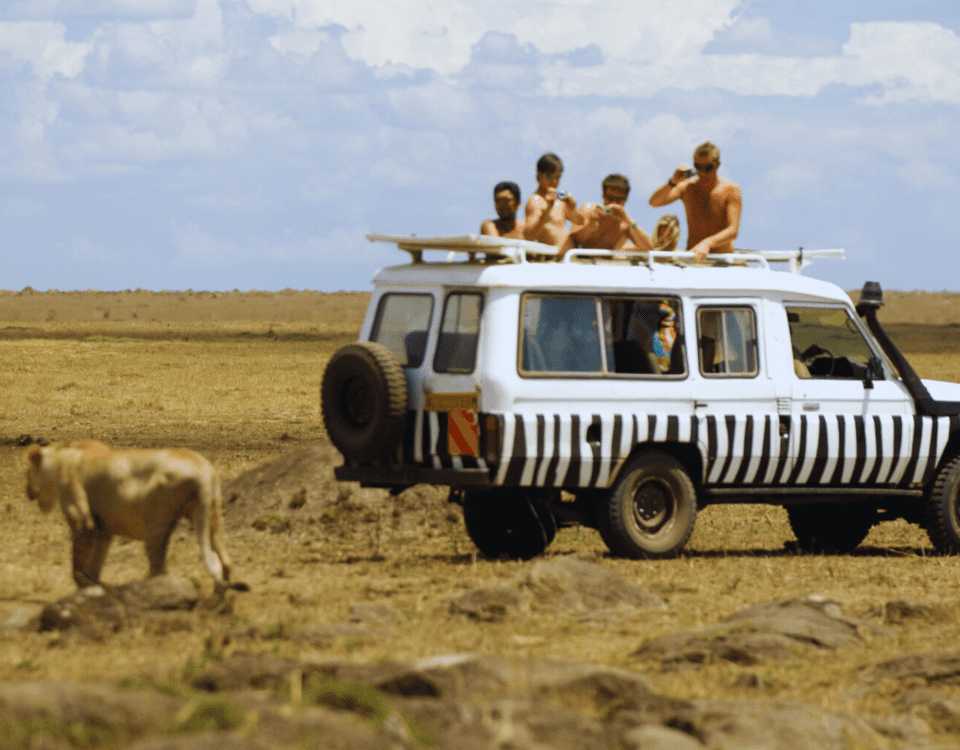
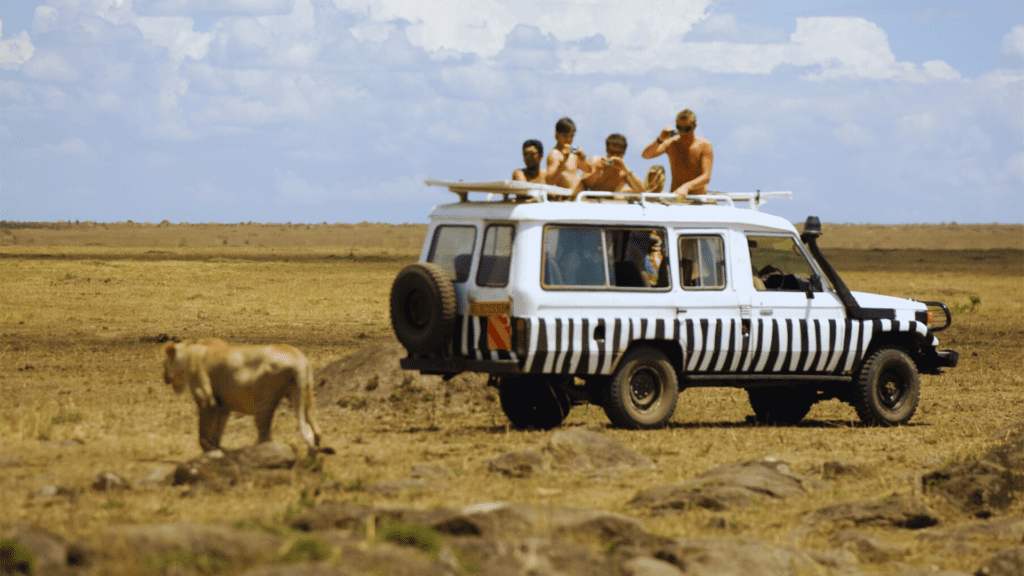
However, the “Mara” is a year-round theater. Because the grass is kept short by the grazing herds, predator sightings—lions, leopards, and cheetahs—are arguably the most consistent here in all of Africa. If you’re a photographer or a first-time traveler, the Mara offers that “National Geographic” view right outside your jeep window.
Amboseli: In the Shadow of Kilimanjaro
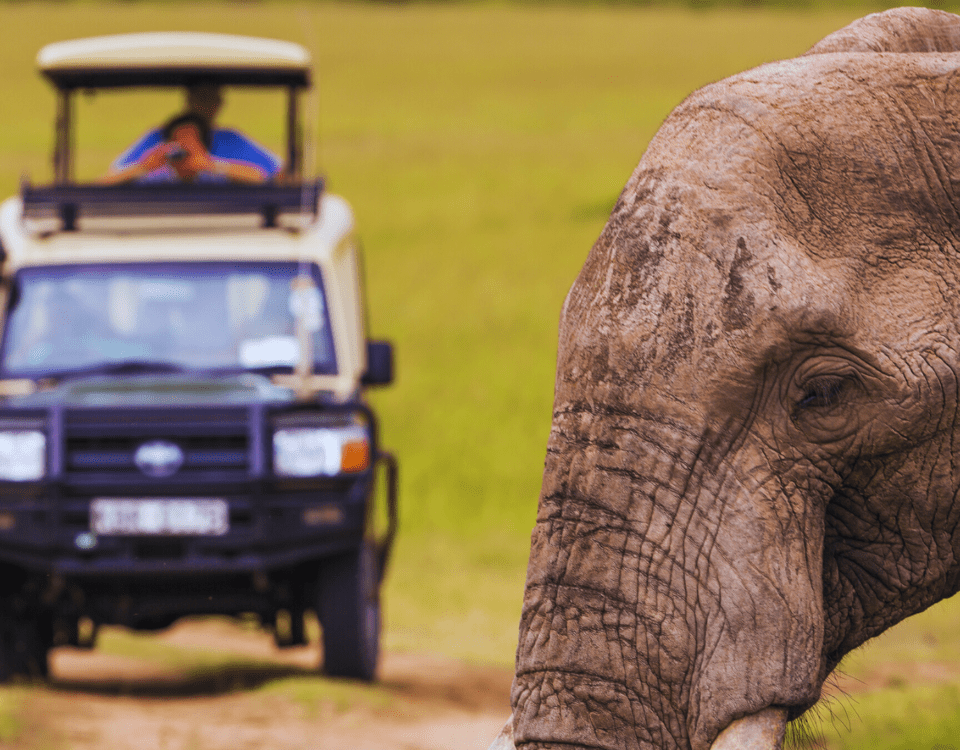
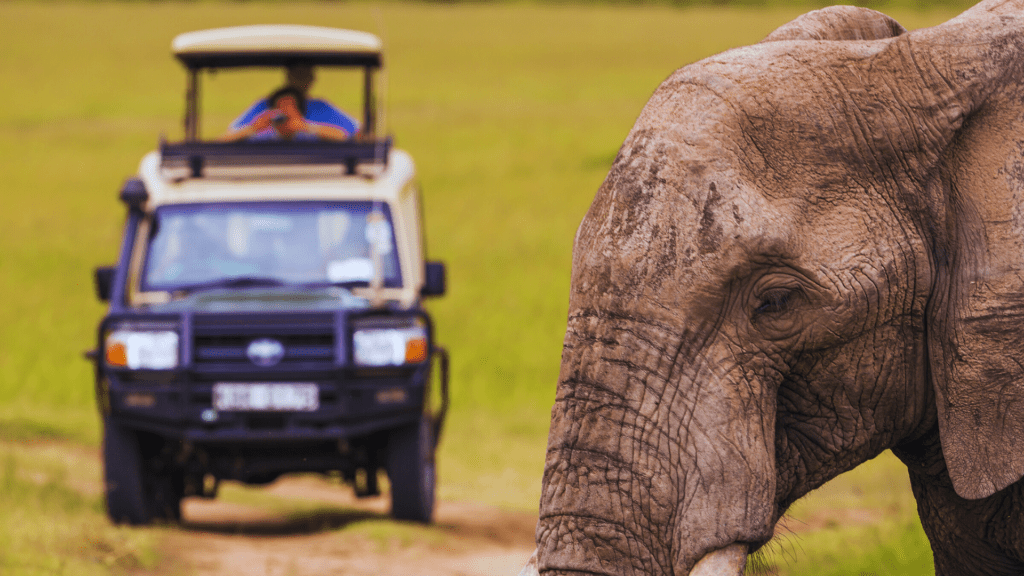
While Mount Kilimanjaro is physically in Tanzania, the best view of the world’s tallest free-standing mountain is actually from Kenya’s Amboseli National Park. There is nothing quite like watching a matriarch elephant lead her herd across the dusty plains with the snow-capped “Roof of Africa” as a backdrop. This park is the premier spot for elephant lovers, hosting some of the largest “tuskers” left on the continent.
The “Northern Special Five” in Samburu
For the seasoned traveler who has “seen it all,” Samburu National Reserve offers a change of pace. The arid, rugged beauty of the north is home to species you won’t find in the south: the Reticulated Giraffe, Grevy’s Zebra, Somali Ostrich, Beisa Oryx, and the Gerenuk (the “giraffe-necked” antelope that stands on its hind legs to eat). Kenya safari tours to the north feel wilder, more remote, and deeply authentic.
Planning Your Journey: The Expert Perspective
In my fifteen years in this industry, I’ve seen travel trends come and go, but the core of a great safari remains the same: timing and local expertise.
- The “Secret” Season: While the dry season (June to October) is peak for a reason, don’t overlook the “Green Season” (November to May). The landscapes are lush, birdlife is phenomenal, and you’ll have the parks almost to yourself. Plus, it’s much kinder to your budget.
- Private Conservancies: One of Kenya’s greatest innovations is the conservancy model. These are private lands bordering national reserves, managed in partnership with local Maasai and Samburu communities. By booking a safari in a conservancy, you get off-road driving privileges, night game drives, and walking safaris—activities often restricted in the main parks.
- The Bush and Beach Combo: Kenya’s coast is just a short flight from the bush. Ending a dusty safari with the white sands of Diani Beach or the Swahili culture of Lamu Island is the perfect way to decompress.
A Note on Authentic Travel
Authenticity is a word thrown around a lot in travel, but in the context of Kenya safaris & tours, it means two things: Respect and Connection.
Authentic tours prioritize the well-being of the wildlife and the prosperity of the local communities. Whether it’s visiting a Maasai village that isn’t a “tourist trap” or staying in a lodge that runs entirely on solar power, your choice of tour operator matters. We believe in “slow safari”—taking the time to watch a pride of lions interact for an hour, rather than rushing to check them off a list and moving to the next sighting.
Editorial Policy & Research Standards
At Tanzania Safari Tours, our content is built on a foundation of “boots-on-the-ground” experience. Our editorial policy ensures:
- Direct Experience: We don’t just curate; we visit. Our writers are experts who have lived, worked, or traveled extensively in the regions they cover.
- Accuracy & Recency: Safari logistics (visas, park fees, and animal movements) change. We update our guides seasonally to reflect current travel requirements, such as the new Kenya ETA system.
- Ethical Travel: We prioritize content that promotes sustainable tourism, wildlife conservation, and fair treatment of local guides and communities.
Frequently Asked Questions (FAQ)
- Which is better for a safari: Kenya or Tanzania?
Both are world-class. Kenya is often more accessible and offers better value for mid-range budgets and shorter trips. Tanzania is vast and ideal for longer, deep-dive wilderness experiences. Many travelers now choose a “Best of both” itinerary to see the Serengeti and the Maasai Mara in one go.
- Is it safe to go on a Kenya safari tour?
Yes, Kenya is a premier global tourism destination. Safari areas are located far from urban centers and are very safe. We always recommend using reputable operators who provide professional guides and well-maintained 4×4 vehicles.
- What should I pack for an authentic Kenya safari?
Think layers! Mornings are surprisingly cold, while midday is hot. Stick to neutral colors (khaki, tan, olive) to blend in and avoid attracting Tsetse flies (which love dark blue and black). Don’t forget a good pair of binoculars and a high-SPF sunscreen.
- When is the best time to see the Great Migration in Kenya?
The herds usually arrive in Kenya’s Maasai Mara from Tanzania’s Serengeti around late July and stay until October. However, because this is a natural event, the exact timing depends on the rains.
- How much does a Kenya safari cost?
Prices vary wildly based on luxury levels. A budget road safari might start at $200 per day, while a high-end luxury fly-in safari can exceed $1,000 per day. Booking through local experts often helps in finding the best “middle ground” without sacrificing comfort.
Contact Details
- Company Name: Tanzania Safari Tours
- Official Website: www.tanzaniasafaristours.com
- Email: info@tanzaniasafaristours.com
- Address: Plot. 397, Bweya Kanyigo, Along Kajjansi Bweya Lutembe Rd, Near Westminster Christian Institute Uganda.
- Phone / WhatsApp: (+256)-414-532-162
- (+256)-773-912-891
- (+256)-702-123-056