African Safari Tours in Tanzania: Comparing the Northern and Southern Circuits
January 29, 2026
Tanzania Kilimanjaro Tour: Expert-Led Treks to the Roof of Africa
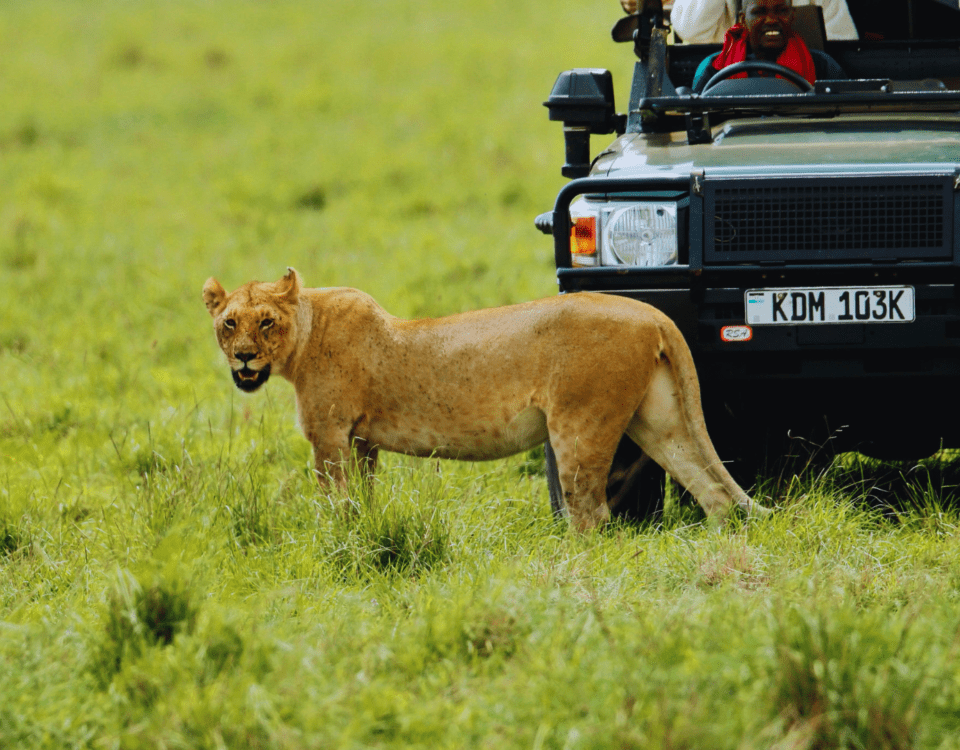
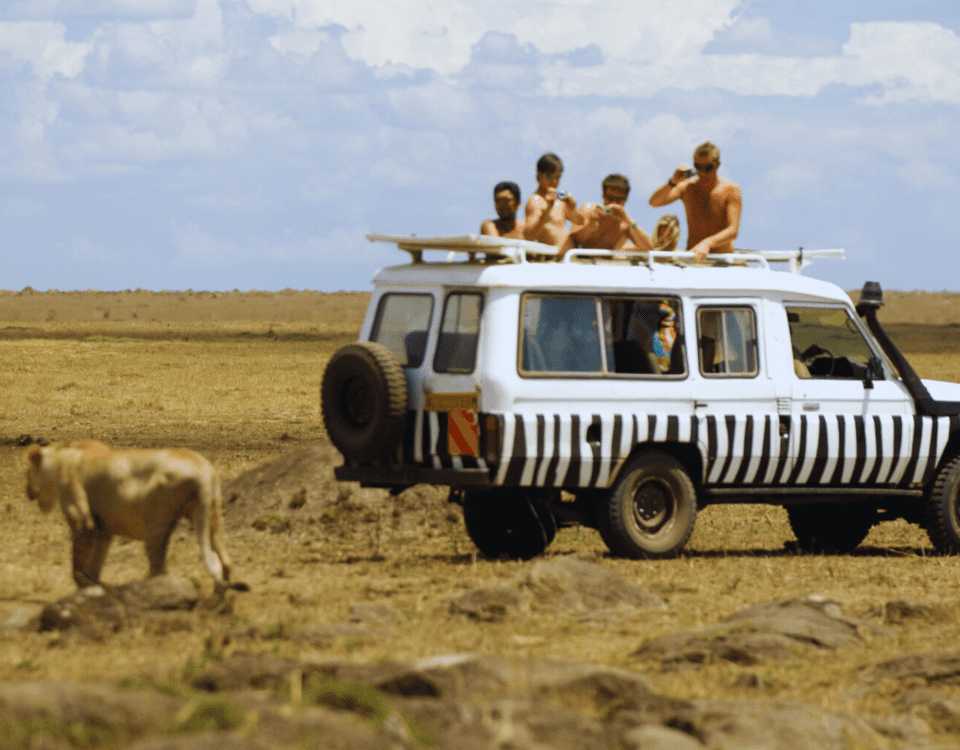
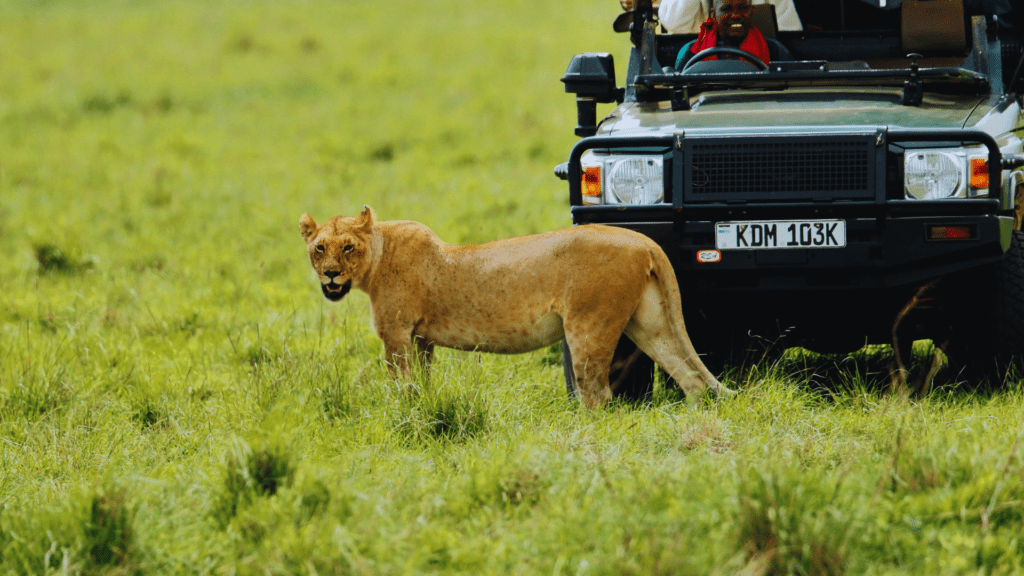
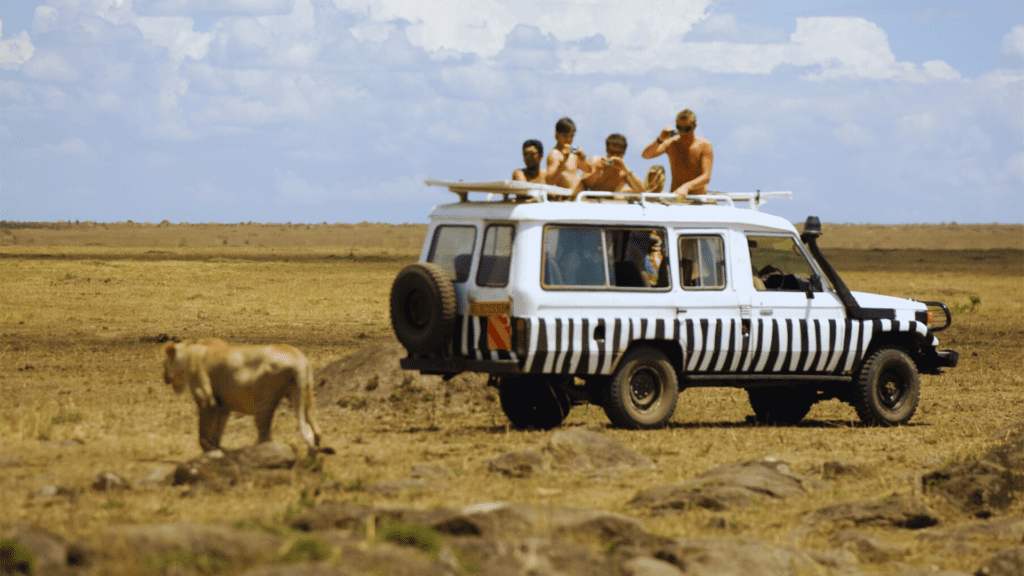
February 2, 2026In the heart of East Africa, where the golden savannah meets the endless sky, lies a world that hasn’t changed much since the dawn of time. If you’ve ever closed your eyes and imagined the “real” Africa—huge herds of elephants under ancient baobab trees, lions stalking through tall grass, and the rhythmic chant of Maasai warriors—you aren’t just dreaming of a destination; you’re dreaming of a Kenya safari.
As someone who has spent over fifteen years traversing the dusty trails of the Rift Valley and the hidden corners of the Mara, I can tell you that Kenya isn’t just a place on a map. It’s a feeling. It’s the smell of rain on dry earth, the silence of a sunrise in the bush, and the raw power of nature in its most authentic form.
In this guide, we’re going to step beyond the standard brochures. We’re going to explore how to truly experience Authentic Kenya Safaris & Tours, ensuring your journey into the wild is as meaningful as it is thrilling.
Why Kenya Remains the “Soul” of the African Safari
While many countries offer wildlife viewing, Kenya is the birthplace of the safari. The word itself is Swahili for “journey,” and nowhere is that journey more diverse. From the iconic red-dusted elephants of Tsavo to the unique “Special Five” of Samburu, Kenya offers a mosaic of ecosystems that you won’t find anywhere else.
When planning Kenya safaris & tours, many travelers make the mistake of rushing. They want to see the “Big Five” in 48 hours. But the secret to an authentic experience? Slowing down. It’s about spending an hour watching a mother leopard teach her cub how to climb, or sitting quietly by a watering hole in Amboseli as Mount Kilimanjaro reveals its snow-capped peak from behind the clouds.
The Magic of the Maasai Mara: More Than Just the Migration
You’ve likely seen the footage of thousands of wildebeest braving crocodile-infested waters. The Great Migration (typically July to October) is a bucket-list event for a reason. However, if you want an authentic connection with the land, consider visiting the Mara during the “Green Season” (November to May).
The plains are lush, the air is crisp, and—most importantly—the crowds are gone. This is the time for bird watchers and photographers. The predators don’t leave; they are still there, lurking in the emerald grass. Plus, by choosing community-owned conservancies rather than just the national reserve, your Kenya safaris & tours directly support the Maasai communities who have coexisted with this wildlife for centuries.
Beyond the Mara: Exploring Kenya’s Hidden Wilds
If the Mara is the crown jewel, the rest of Kenya is the treasury. To truly “explore the wild,” you must look North and East.
- Amboseli National Park: Here, elephants rule. There is nothing quite like seeing a massive bull elephant with tusks reaching the ground, framed by the backdrop of Kilimanjaro. It’s the ultimate photographer’s playground.
- Samburu & Buffalo Springs: This is the “Northern Frontier.” The landscape is rugged and arid, home to species you won’t see elsewhere: the reticulated giraffe, the Grevy’s zebra, and the long-necked gerenuk.
- The Laikipia Plateau: If you want exclusivity, this is it. Laikipia is a pioneer in private conservation. Here, you can go on night drives, walking safaris, or even camel treks—activities often restricted in the main national parks.
The Art of the “Slow Safari”: Walking and Fly-Camping
In my fifteen years of guiding and writing, the most common feedback I get from travelers isn’t about the lions they saw from a jeep—it’s about the time they stepped out of it.
Authentic Kenya safaris & tours should include at least one walking safari. When you are on foot, your senses sharpen. You notice the “Little Five” (like the elephant shrew and the leopard tortoise). You learn to read the “morning newspaper” written in the sand—the tracks of a hyena from the night before or the scent of a crushed wild sage bush.
For the truly adventurous, “fly-camping” is the ultimate experience. You spend a night in a lightweight tent under a canopy of stars, far from the permanent lodges. Falling asleep to the distant grunt of a hippo and waking up to the smell of coffee brewing over an open fire is a memory that never fades.
Frequently Asked Questions (FAQs)
- When is the best time for Kenya safaris & tours?
The “best” time depends on your goal. For the Great Migration, July to October is peak. For fewer crowds and lush scenery, January to March is incredible. If you’re a bird lover, the migratory birds arrive between November and April.
- Is it safe to go on a safari in Kenya?
Absolutely. Kenya’s tourism infrastructure is world-class. Professional guides are highly trained in both wildlife safety and navigation. As with any travel, staying in established conservancies and following your guide’s instructions ensures a safe, seamless experience.
- What should I pack for an authentic Kenya safari?
Think layers and neutral colors (khaki, olive, brown). Avoid bright whites (scares the animals) and dark blues/blacks (attracts tsetse flies). Don’t forget a high-quality pair of binoculars and a wide-brimmed hat.
- Can I combine a Kenya safari with a beach holiday?
Yes! This is one of Kenya’s greatest strengths. You can spend five days in the bush and then take a short flight to the white sands of Diani Beach or the historic Swahili coast of Lamu for some world-class relaxation.
- How much does a high-quality Kenya safari cost?
Prices vary based on the level of luxury, but a mid-range to luxury authentic safari typically ranges from $400 to $800 per person per day. This usually includes all meals, park fees, expert guides, and internal transfers.
Navigating AEO and AI Content
In today’s world of AI-generated travel tips, it’s easy to get lost in a sea of generic advice. However, Google’s Answer Engine Optimization (AEO) and E-E-A-T (Experience, Expertise, Authoritativeness, and Trustworthiness) policies now favor content that shows real human experience.
When you read our guides, you aren’t just reading data; you’re reading the insights of experts who have sat in those 4x4s, stayed in those tents, and shared meals with the Maasai. We steer clear of “fluff” and focus on the nuances—like which side of the plane to sit on for the best view of Kilimanjaro, or why the “Secret Season” in June is the best-kept secret for budget-conscious travelers.
Final Thoughts:
A safari is more than a vacation; it’s a perspective shift. It reminds us that we are part of a much larger, much older story. Whether you are watching the sun set over the Mara River or listening to the wind whistle through the whistling thorn acacias, Kenya will get under your skin.
Ready to start your journey? Whether you’re looking for a family adventure, a romantic honeymoon, or a solo photography expedition, the wild is calling.
Get in Touch with Us
Ready to plan your Authentic Kenya Safari? Our team of experts is here to craft a bespoke itinerary that matches your dreams with the reality of the African bush.
- Company Name: Tanzania Safari Tours
- Official Website: www.tanzaniasafaristours.com
- Email: info@tanzaniasafaristours.com
- Address: Plot. 397, Bweya Kanyigo, Along Kajjansi Bweya Lutembe Rd, Near Westminster Christian Institute Uganda.
- Phone / WhatsApp: (+256)-414-532-162
- (+256)-773-912-891
- (+256)-702-123-056