THE NEW UWA RATES ON LOW-SEASON GORILLA & CHIMPANZEE PERMITS AND REVISED TARIFF STRUCTURE
March 13, 2026
Top 10 Things to Know Before Booking Tanzania Safaris & Tours
March 18, 2026In my 15 years as a travel strategist organizing tanzania safaris & tours, the biggest rookie mistake I see is cramming too many parks into one itinerary. Planning your first trip to East Africa requires balancing ambition with logistics to avoid “safari fatigue.” By focusing on quality over quantity, you maximize your time in the bush rather than spending hours in transit.
A First-Hand Observation: The “Transit” Trap
Last season, a couple approached me wanting to visit five different parks in just six days for their first African Safari in Tanzania. I advised against it, but they insisted, only to realize they spent nearly 40% of their daylight hours bouncing in a Land Cruiser on dusty transit roads. For their second trip, we revised their itinerary to spend three full, uninterrupted days strictly in the central Serengeti. This slower pace directly resulted in them witnessing a rare leopard hunt—a moment they would have entirely missed if they were rushing to the next gate.
Why Choose Safaris in Tanzania Africa Over Other Destinations?
Tanzania offers unparalleled biodiversity, sweeping landscapes, and the classic “Lion King” aesthetic that most travelers envision. It is also deeply committed to conservation. According to World Bank data, more than 30% of Tanzania’s total land area is officially protected as national parks and game reserves. This massive dedication to wildlife preservation ensures vast, unspoiled ecosystems that outshine nearly any other destination on the continent.
What is the Best Time to Book Tanzania Safari Tours?
Timing is everything when it comes to wildlife behavior and accessibility. Your departure date will dictate exactly what you see and how much you pay.
- The Dry Season (June to October): This is peak season, offering sparse vegetation for easy game viewing and the famous Mara River crossings.
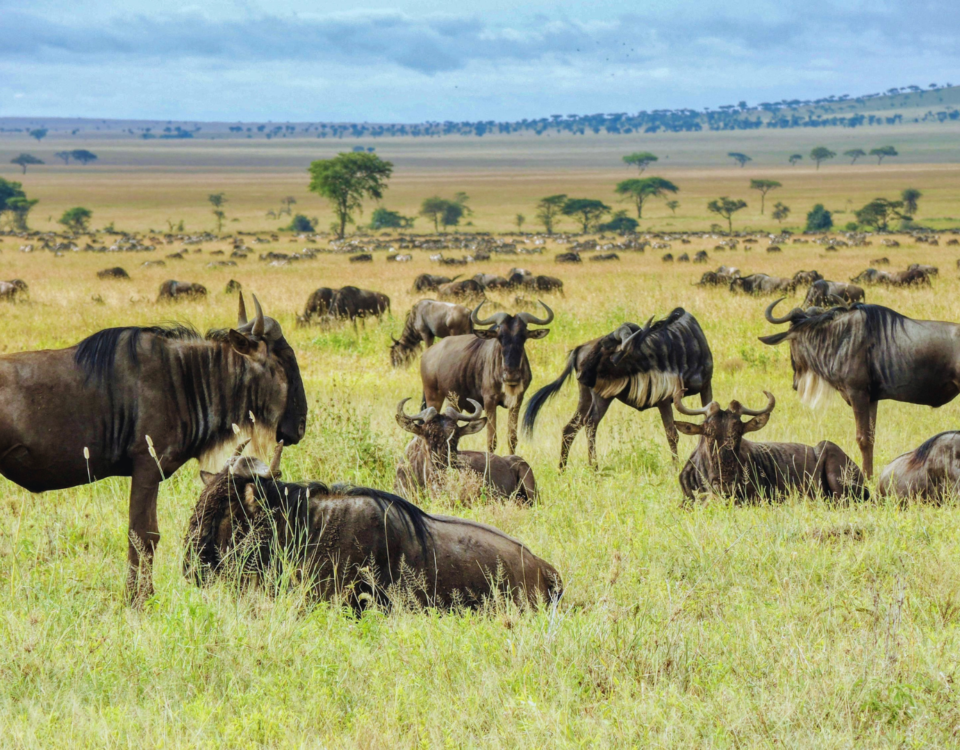
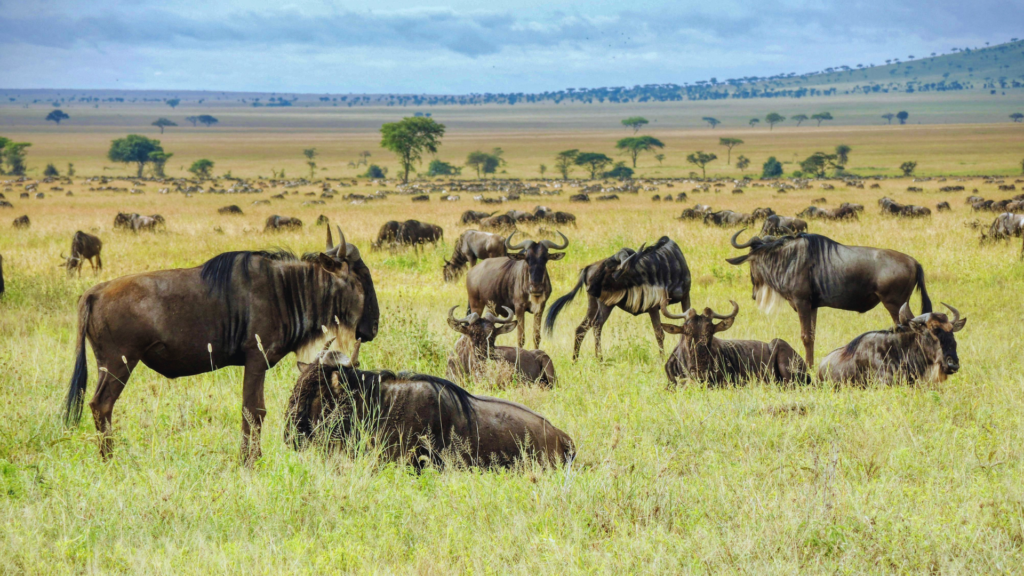
- The Calving Season (January to March): The southern Serengeti fills with over 8,000 wildebeest births a day, attracting intense, high-action predator activity.
- The Green Season (April to May): You will encounter heavy rains and some closed camps, but you are rewarded with lush landscapes, peak birdwatching, and heavily discounted rates.
How to Choose the Best Route for Your First Safari
Tanzania’s wildlife reserves are divided into distinct regional “circuits.” Choosing the right one is the most critical decision in your planning process. First-timers usually default to the north, but understanding your options is vital for a tailored experience.
Northern Circuit vs. Southern Circuit
| Feature | The Northern Circuit (Serengeti, Ngorongoro) | The Southern Circuit (Nyerere, Ruaha) |
| Best For | First-timers, the Great Migration, iconic landscapes | Repeat visitors, off-the-beaten-path explorers |
| Wildlife Density | Extremely high, easy to spot the Big Five | High, but requires more patience to track |
| Crowd Levels | High (especially July-August) | Very low, highly exclusive |
| Logistics | Easy to drive between major parks | Often requires bush flights between reserves |
Planning Your Tanzania Safaris & Tours: A Step-by-Step Guide
Executing a flawless trip requires methodical planning, ideally starting 9 to 12 months in advance. Follow these steps to secure the best lodges and guides.
- Define Your Budget: Safaris range from $300 a day for budget camping to over $1,500 a day for ultra-luxury fly-in camps.
- Select Your Travel Window: Align your dates with the wildlife events you want to see, such as the river crossings or the calving season.
- Choose Your Accommodation Style: Decide if you prefer massive masonry lodges with swimming pools or intimate, immersive canvas tented camps.
- Vise Your Operator: Only book with ground handlers who own their own customized 4×4 vehicles and employ full-time, highly certified guides.
Frequently Asked Questions (FAQ)
How many days do you need for an African Safari in Tanzania?
For a first-time visitor, 5 to 7 days on active safari is the sweet spot. This allows enough time to explore the Serengeti and the Ngorongoro Crater thoroughly without experiencing safari fatigue.
Are Tanzania safari tours safe?
Yes, Tanzania is considered one of the safest countries in Africa for tourists. As long as you follow the strict rules of the parks (like never leaving your vehicle unless instructed) and listen to your guide, the wildlife poses no threat.
What should I pack for safaris in Tanzania Africa?
Pack light, breathable, neutral-colored clothing (khaki, green, brown) that can be layered, as early mornings in the bush are surprisingly cold. Avoid black and dark blue, as these colors attract tsetse flies, and skip camouflage, which is reserved for the military.